
How to Prepare for Oral Sedation Dentistry: A Patient Guide
If dental anxiety has kept you from the care you need, oral sedation dentistry can transform your experience. Knowing how to prepare for oral sedation dentistry helps ensure your appointment goes smoothly and comfortably. At Terrell Hills Dental, we designed our Comfort Menu to give anxious patients a calming, supported experience, and we accept most major dental insurance plans so you can focus on your health without extra worry. This guide walks you through each step.
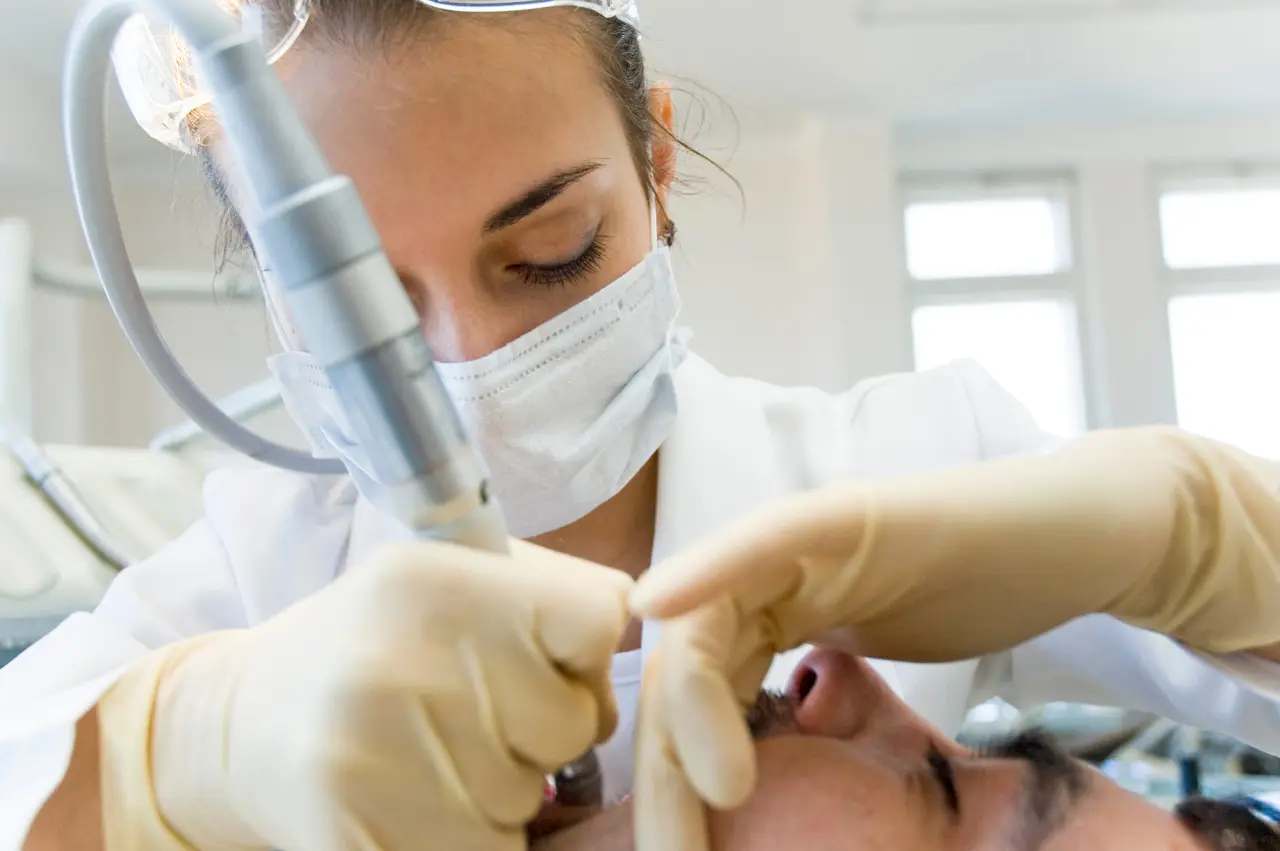
What Is Oral Sedation Dentistry?
Oral sedation is a form of conscious sedation taken as a pill, usually about an hour before your procedure. It produces a deep state of relaxation while keeping you awake and able to respond to your dentist. Many patients describe feeling drowsy but aware, and they often have little or no memory of the procedure afterward. It is a popular choice for those with mild to moderate dental anxiety or for longer treatments like implant placement or full-mouth reconstruction.
How to Prepare for Oral Sedation Dentistry: Step-by-Step
Proper preparation is key to a safe, effective sedation experience. Follow these guidelines to know what to do before oral sedation dental appointments.
The Night Before Your Appointment
- Follow any specific instructions from your dentist. You may be asked to take a small dose of medication the night before to help you relax.
- Arrange a ride. You will not be able to drive after sedation, so confirm that a responsible adult can bring you and take you home.
- Pack a small bag with essentials: your ID, insurance card, and any paperwork your dental office provided. Also bring headphones or a playlist if you find music soothing.
- Set a reminder for your morning medication if one is prescribed.
The Morning of Your Sedation Appointment
- Take the prescribed oral sedative exactly as directed, usually with a small sip of water.
- Avoid eating solid foods for at least six hours before your appointment. Clear liquids may be allowed up to two hours before, but confirm with your dentist.
- Skip coffee, tea, or other caffeinated drinks. Caffeine can interfere with the sedative and increase anxiety.
- Wear loose, comfortable clothing. Layers are helpful because your body temperature may feel different during sedation.
- Remove contact lenses, jewelry, and dentures or partials before your appointment.
What to Bring and Arrange in Advance
Besides your ride, bring the following to the appointment:
- Your phone, charged, so you can call your ride after the procedure.
- A light snack for after your appointment (when your dentist gives the all-clear).
- Your insurance card and a list of current medications. This ensures your dentist can provide safe, personalized care.
- Sunglasses in case you are sensitive to light afterward.
If you have not yet discussed sedation with your dental team, now is the time. During your consultation, your dentist will review your medical history, discuss the best sedation option for you, and answer any questions about preparing for sedation dentistry.
What to Expect During and After Oral Sedation
Once you arrive, the clinical team will confirm your preparation and the medication you took. You will be seated in a comfortable treatment chair and given time to relax. Headphones, a blanket, or a pillow from our Comfort Menu are always available to help you settle.
During the procedure, you will remain awake but deeply relaxed. Your dentist and team will monitor your vital signs continuously. You may drift in and out of rest, but you can respond to simple instructions.
Afterward, you will rest in the recovery area until the effects lessen. Most patients feel drowsy for a few hours and may have some fuzziness. Plan to go home and rest for the remainder of the day. Do not drive, operate machinery, or make important decisions until the sedation has fully worn off, which usually takes four to six hours. A light meal is fine once you feel ready. Drinking plenty of water helps flush the medication from your system.
Oral Sedation vs. Other Sedation Options
Choosing the right sedation method depends on your anxiety level, the procedure, and your medical history. Below is a quick comparison.
| Feature | Oral Conscious Sedation | Nitrous Oxide | IV Sedation |
|---|---|---|---|
| Administration method | Pill taken by mouth | Inhaled gas through a nasal mask | Intravenous (IV) line in the arm |
| Onset time | 30–60 minutes | Immediate | Immediate (seconds to minutes) |
| Level of sedation | Moderate to deep relaxation | Mild relaxation | Deep relaxation to near-sleep |
| Recovery time | Several hours (drowsiness may last) | Within minutes after gas stops | 30–60 minutes after medication stops |
| Patient type best suited | Moderate anxiety or longer procedures | Mild anxiety or shorter procedures | High anxiety, complex procedures, or those who prefer a deeper level |
After reviewing these differences, your dentist can help you determine which approach fits your needs. If oral sedation sounds right for you, learn more about oral conscious sedation at our practice.
Schedule Your Appointment with Confidence
Knowing how to prepare for oral sedation dentistry gives you the confidence to move forward with treatment. Our team will guide you through every step, from your initial consultation to recovery.