
How Long Do Dental Crowns and Bridges Typically Last?
If you have a dental crown or are considering one, you probably want to know: how long do dental crowns last? On average, a well-made crown lasts between 10 and 15 years. With excellent care and the right materials, some crowns can last 20 years or more. Bridges have a similar range, typically lasting 10 to 15 years before they need attention.
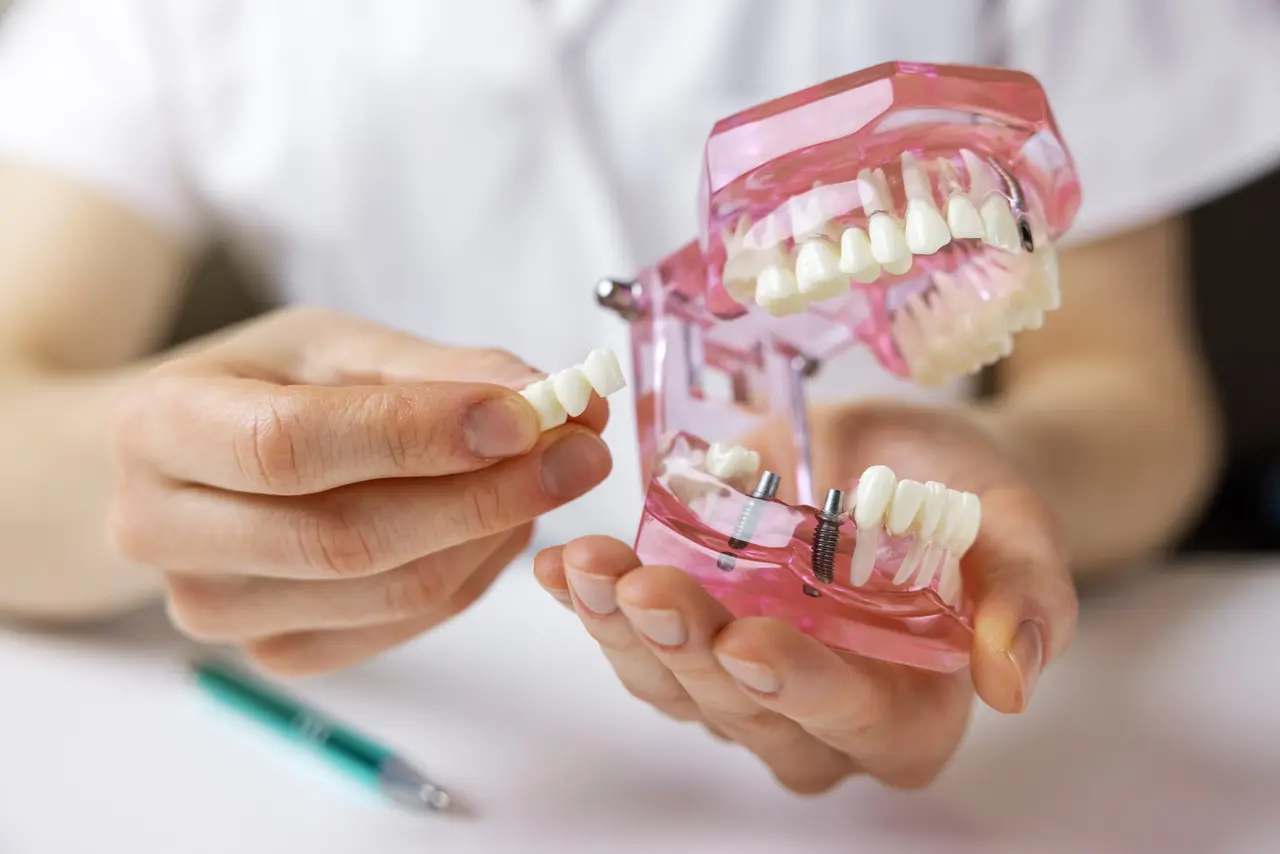
At Terrell Hills Dental in San Antonio, we craft many of our crowns and bridges in our in-house dental lab. This allows precise fit and high-quality materials that support a longer lifespan. We also accept most major insurance plans, so you can invest in restorative work without worry. But ultimately, longevity depends on two things: the craftsmanship of the restoration and how you care for it.
How Long Do Dental Crowns Last on Average?
A dental crown is a cap that covers a damaged tooth. The answer to how long do dental crowns last varies by material and oral habits, but most last at least a decade. Your dentist will monitor the crown during hygiene visits to check for wear or loose margins.
Factors That Affect Dental Crown Lifespan
- Oral hygiene: Brushing, flossing, and regular cleanings keep the gum line healthy around the crown. Decay can still form at the edge where the crown meets your natural tooth.
- Grinding or clenching: Excessive force from bruxism can crack or wear down a crown, especially porcelain.
- Diet: Chewing hard foods or ice can damage any crown.
- Crown material: Some materials are stronger and more resistant to wear.
- Fit and placement: A crown that fits well and is bonded correctly will last longer.
Lifespan by Crown Material (Porcelain, Zirconia, Metal, PFM)
| Material | Typical Lifespan | Key Strengths | Considerations |
|---|---|---|---|
| All-porcelain (ceramic) | 10–15 years | Natural appearance, metal-free | Can be more prone to chipping |
| Zirconia | 15–20 years | Extremely strong, tooth-colored | May wear opposing teeth slightly |
| Metal (gold, base metal) | 20+ years | Very durable, minimal wear to opponents | Metallic color limits use to molars |
| Porcelain-fused-to-metal (PFM) | 10–15 years | Good strength + aesthetics | Porcelain layer can chip over time |
Your choice of material should balance where the crown will sit, your bite, and your cosmetic priorities. If you need a crown on a front tooth, strength and appearance both matter. For a back molar, durability often takes priority.
How Long Does a Dental Bridge Last?
A dental bridge replaces one or more missing teeth by anchoring an artificial tooth to the natural teeth on either side. These bridges typically last 10 to 15 years. Some can exceed 15 years with proper care.
What Affects Bridge Longevity Over Time
The supporting teeth (abutments) are critical. If your gum health or the condition of those teeth declines, the bridge can fail. Other factors include:
- Crown fit: The crowns on the abutment teeth must stay sealed. Decay under a crown is a common reason for bridge replacement.
- Oral hygiene beneath the bridge: Flossing under the pontic (fake tooth) prevents plaque buildup that leads to gum disease.
- Chewing pressure: Bridges can crack or loosen if you bite hard objects.
For more details on when a bridge might need to be replaced, read our post on when should you consider replacing your dental bridge. And if you have just had a bridge placed, you may want to know how long does my dental bridge take to feel normal.
Crown vs. Bridge Longevity at a Glance
Here is a comparison of the two restorations:
| Feature | Dental Crown | Dental Bridge |
|---|---|---|
| Typical lifespan range | 10–20 years | 10–15 years |
| Material options | Porcelain, zirconia, metal, PFM | Same materials as crowns |
| Maintenance requirements | Brush/floss around crown, regular exams | Special floss or threader to clean under pontic, regular exams |
| Replacement indicators | Loose fit, decay at margin, visible wear | Loose abutment crowns, gum inflammation, cracked pontic |
Both require good oral hygiene and routine professional care. While a single crown may last longer than a bridge, both are long-term investments in your smile.
Signs Your Crown or Bridge May Need Replacing
Watch for these warning signs and schedule a dental examination if you notice any:
- The restoration feels loose or wobbly
- Pain or sensitivity when you bite or chew
- The gum around the crown or bridge is red, swollen, or bleeding
- Visible chips, cracks, or a rough edge
- Food gets stuck under the bridge more often
Catching problems early can sometimes save the restoration. Waiting too long may lead to decay or infection in the natural tooth underneath.
How to Make Your Crown or Bridge Last Longer
- Brush twice a day with a non-abrasive toothpaste and floss daily. Use a floss threader or super floss under bridges.
- Wear a nightguard if you grind your teeth. Custom-fitted guards from our Comfort Menu protect both natural teeth and restorations.
- Avoid using your teeth as tools to open packages or bite hard objects.
- See your dentist every six months for cleanings and exams. Your dentist will check the margins and fit.
- Keep your gums healthy with routine care. Gum recession can expose crown edges and lead to decay.