Is It Worth Getting Partial Dentures? What to Know Before You Decide
If you are missing several teeth but still have healthy natural teeth remaining, you may be wondering if partial dentures are a practical solution. At Terrell Hills Dental, we believe the answer depends on your specific dental needs, your budget, and your long-term goals. We accept most major insurance plans, including Delta Dental, Cigna, and UnitedHealthcare, and our doctors are committed to giving you honest, unhurried guidance so you can make a confident choice. Here is what you need to know before deciding is it worth getting partial dentures.
What Are Partial Dentures and Who Are They For?
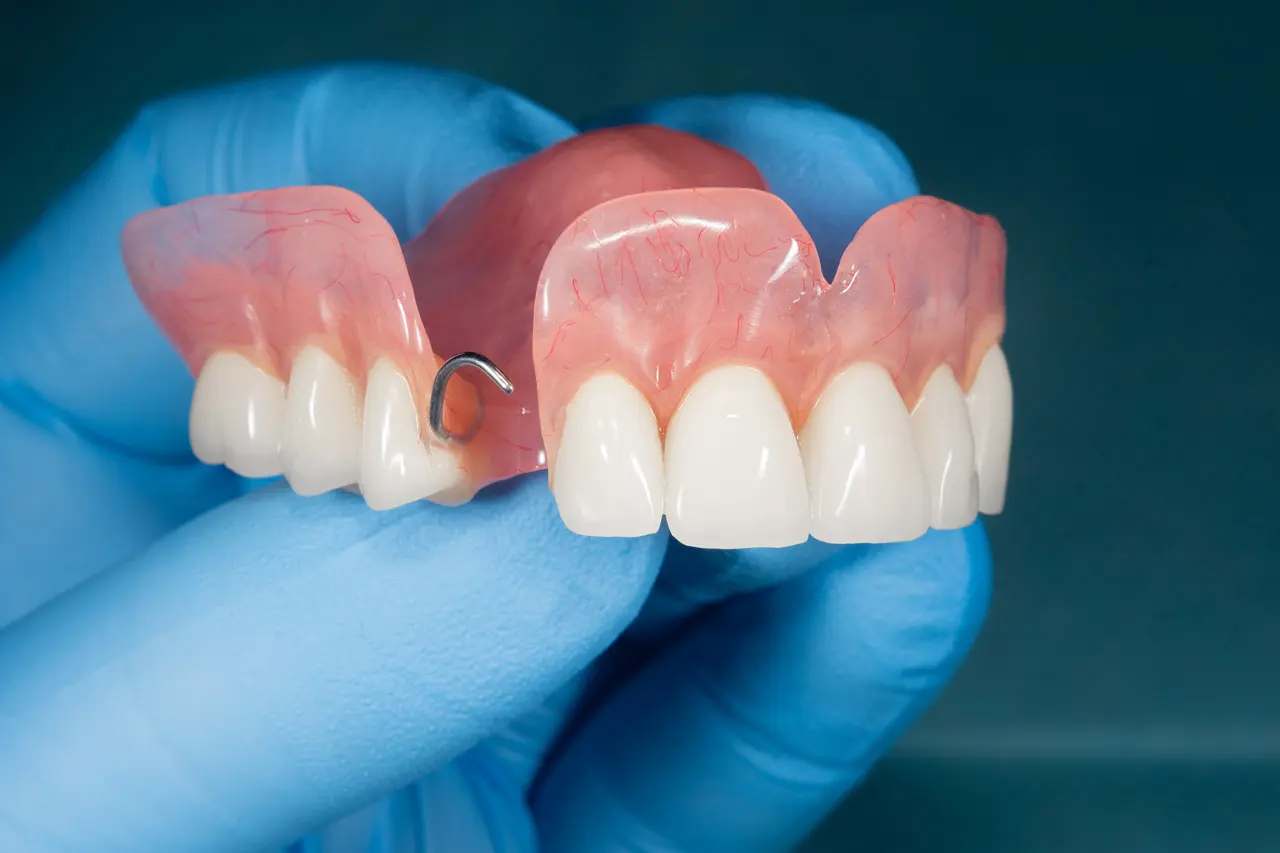
A partial denture is a removable appliance designed to replace one or more missing teeth. It consists of replacement teeth attached to a gum-colored base, which is held in place by metal or plastic clasps that hook onto your natural teeth. Partial dentures are an option for patients who have lost some teeth but not all of them on an arch. They restore basic chewing function, prevent remaining teeth from shifting, and improve your smile’s appearance.
Candidates for partial dentures include people who cannot or prefer not to undergo dental implant surgery, who want a more affordable solution, or whose remaining teeth are strong enough to support the appliance. A thorough dental examination is necessary to determine if partials or another option is right for you.
Partial Dentures Pros and Cons
Weighing the advantages and drawbacks helps you answer the question: are partial dentures worth it? Here is a balanced look.
Benefits of Partial Dentures
- Cost effective: Partial dentures are generally less expensive than bridges or implants.
- Non invasive: No surgery or alteration of healthy teeth is required.
- Quick turnaround: Once impressions are taken, fabrication typically takes a few weeks.
- Reversible: If you change your mind later, you can explore other options without permanent changes.
- Improves aesthetics and function: Fills gaps in your smile and makes eating easier.
Limitations and Considerations
- Less stability: Because they are removable, partials may shift slightly when eating or speaking.
- Adjustment period: It takes time to get used to the feeling of the appliance in your mouth.
- Requires daily maintenance: You must remove and clean the partial every night.
- Potential for gum irritation: The clasps can rub against gums if not properly fitted.
- Does not prevent bone loss: Unlike implants, partial dentures do not stimulate the jawbone, so bone shrinkage may still occur over time.
How Partial Dentures Compare to Other Tooth Replacement Options
The choice between partial dentures, dental bridges, and dental implants depends on your priorities. Here is a direct comparison to help you see the differences.
| Feature | Partial Dentures | Dental Bridges | Dental Implants |
|---|---|---|---|
| Cost | Most affordable | Moderate; higher if multiple units | Highest initial investment |
| Permanence | Removable | Fixed (cemented on adjacent teeth) | Fixed (surgically placed) |
| Bone preservation | Does not prevent bone loss | Does not prevent bone loss | Stimulates bone, prevents resorption |
| Maintenance | Removed nightly for cleaning; requires regular adjustments | Normal brushing and flossing; special floss threaders needed | Same as natural teeth; occasional professional cleaning |
| Candidacy requirements | Sufficient natural teeth to anchor clasps | Healthy adjacent teeth to support the bridge | Adequate bone density; healthy gums |
Decision summary: Partial dentures work well for patients who want a low cost, removable option and accept that bone loss may continue. Bridges are a good middle ground if you want a fixed solution and have strong teeth on either side of the gap. Implants offer the best long-term value for health and stability, but require surgery and a higher upfront investment. If you are exploring more permanent solutions, learn about implant-supported dentures as an alternative.
How Long Do Partial Dentures Last?
With proper care, a well-made partial denture can last five to ten years. Over time, your mouth changes shape due to natural bone and gum shrinkage, which may affect the fit. Regular dental visits allow your dentist to adjust the partial or recommend a replacement when needed. Maintaining good oral hygiene and handling the appliance carefully will extend its lifespan. For a detailed walkthrough of the denture process, read our post on how to get permanent dentures in six steps.
Are Partial Dentures Worth It? What Dentists Consider
So is it worth getting partial dentures? Dentists evaluate several factors before recommending them. Your remaining teeth must be strong enough to support the clasps. Your gums should be healthy, and you should be committed to daily cleaning and follow-up care. We also consider your overall health and whether bone loss in the future might make implants a better long-term choice.
For many patients, partial dentures deliver good value at a reasonable cost. They improve your ability to eat, support facial structure, and boost confidence. If you need a practical, non-surgical solution today, partials are a solid option. However, if preserving bone and avoiding the need for future replacements matter to you, implants or implant-supported dentures may be a better investment. Our team takes the time to explain each option and answer all your questions. No pressure, just clear information.